
Swimming Pool Tiles
Malaysia
From resort-grade Sukabumi to classic glazed mosaics. 7 pool collections, 44+ products, available across Malaysia.
Pool Collections
Trade Partners
Regions in Malaysia
Popular Pool Tiles
Contractor favourites from our pool range.
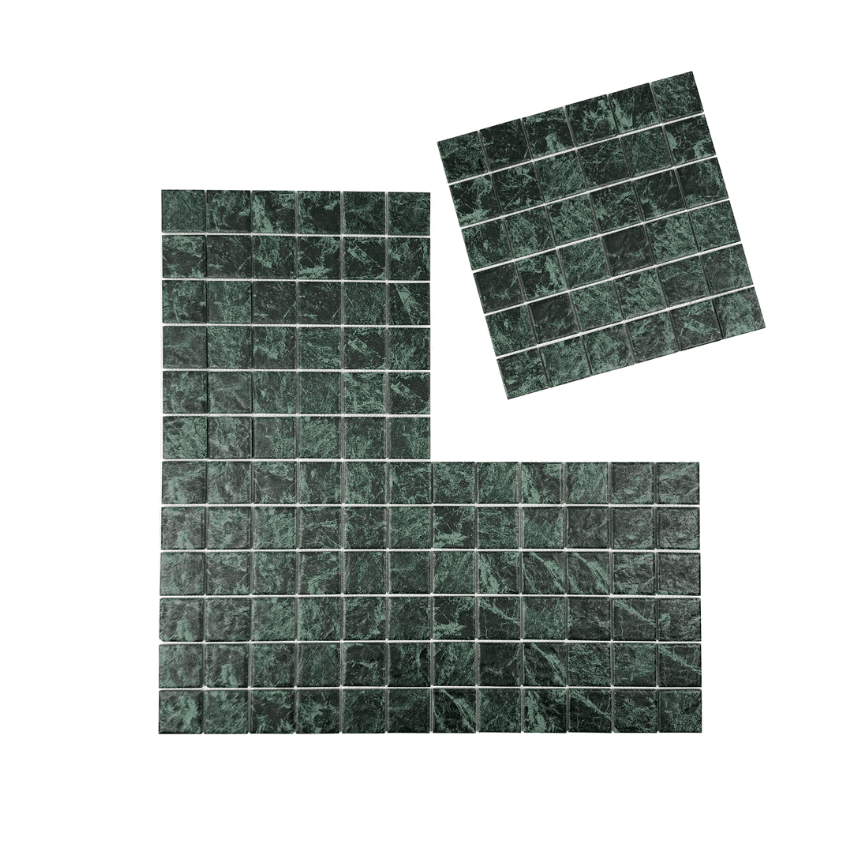
Green Big Flower Marble Pattern Sukabumi Mosaic
MCP690607
Sukabumi Mosaic
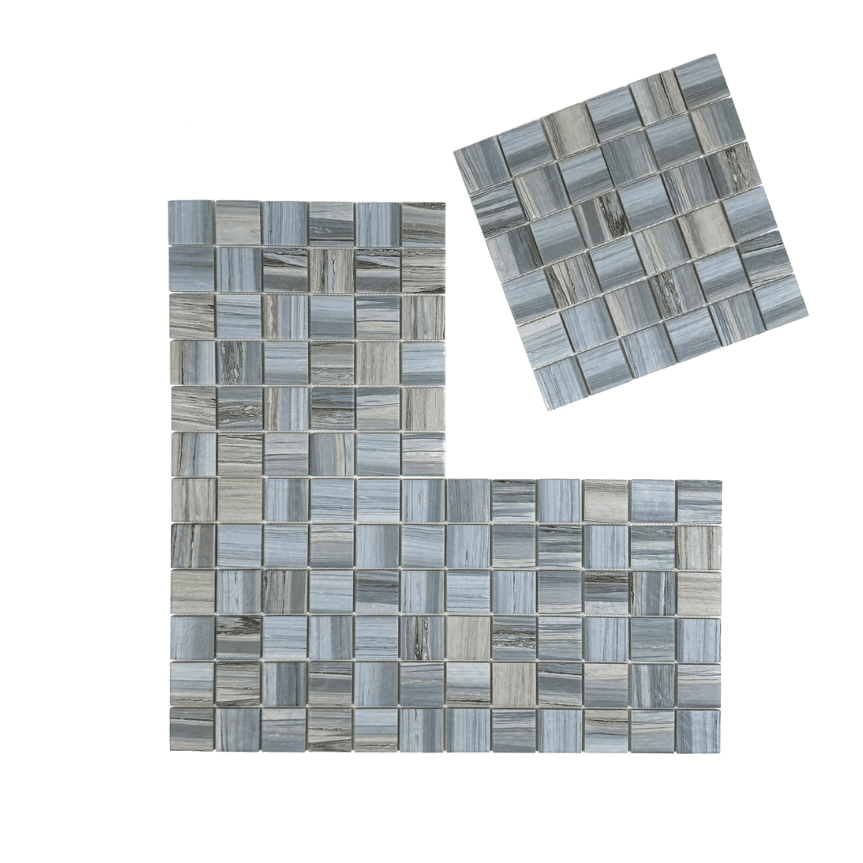
Light Blue & Milky White & Light Grey Mixed Stone Pattern Sukabumi Mosaic
MCP650306
Sukabumi Mosaic
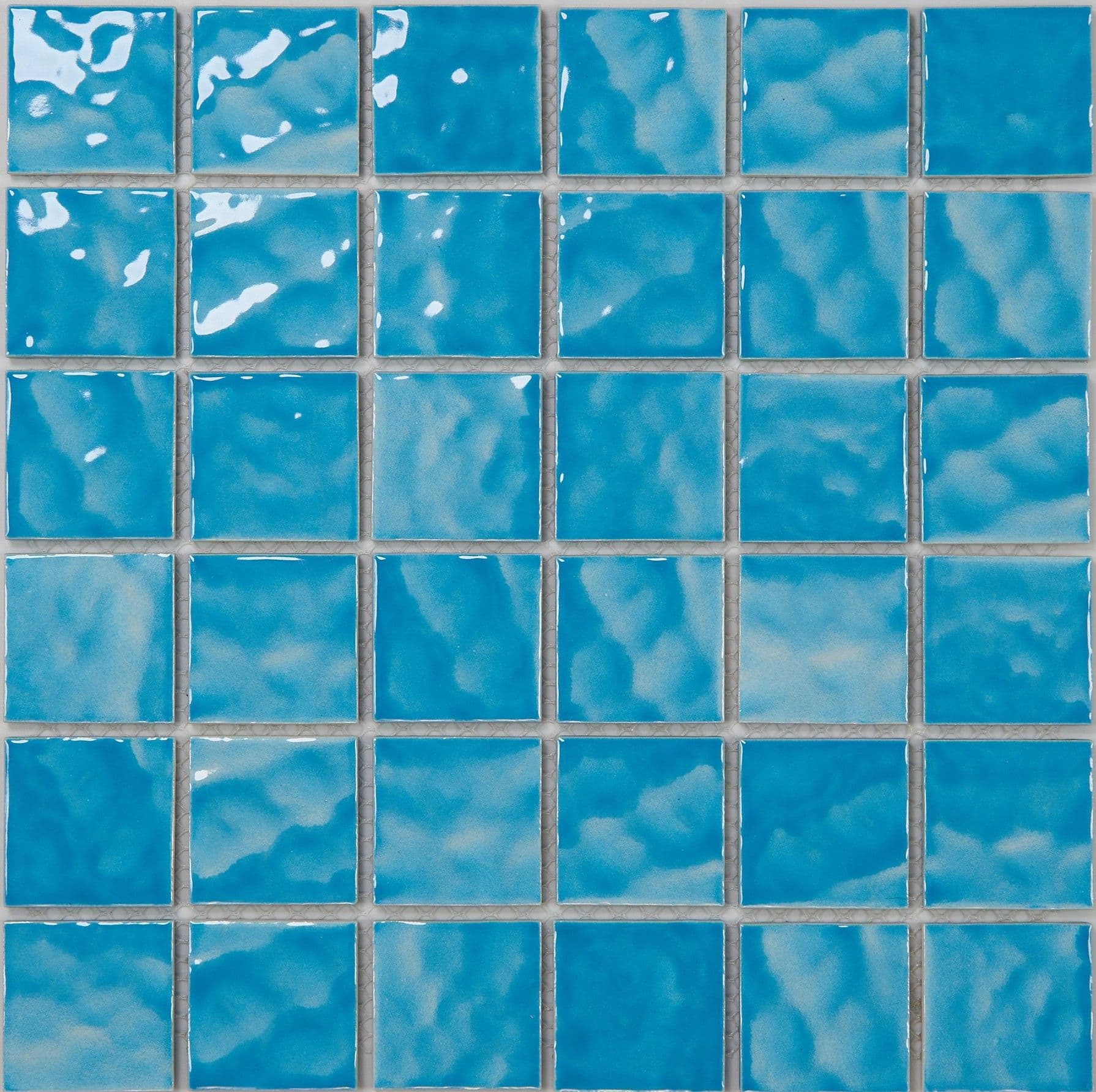
Sky Blue Crackle Glaze Pool Wavy Glazed Mosaic
MCS651481
Wavy Glazed Mosaic
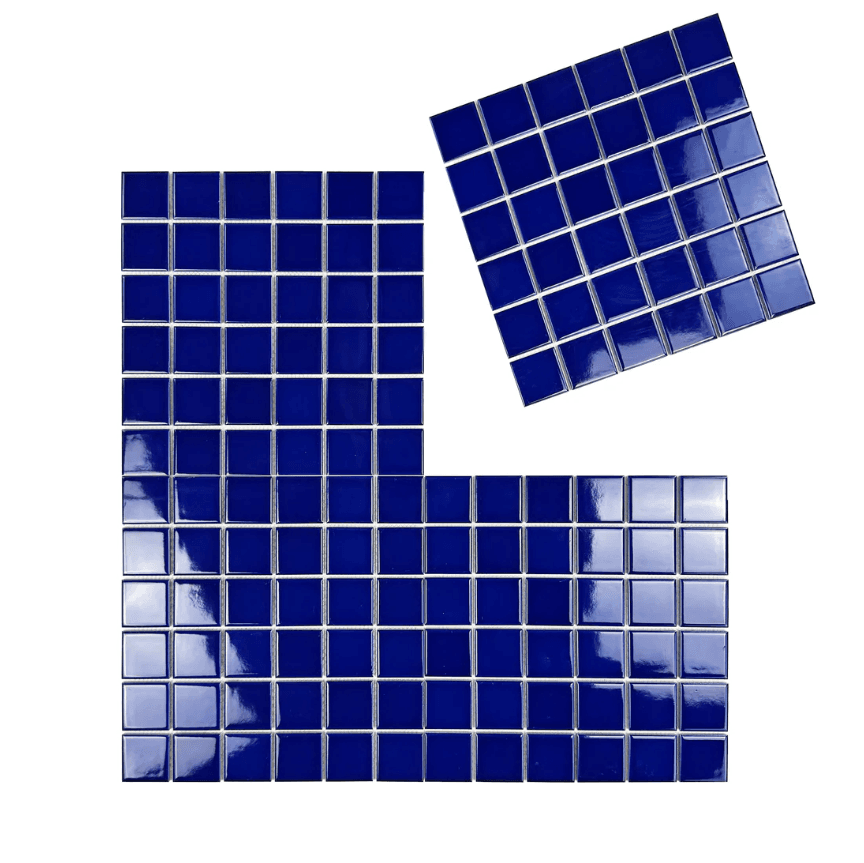
Antique Blue Solid Glazed Pool Mosaic
MCS650757
Glazed Pool Mosaic
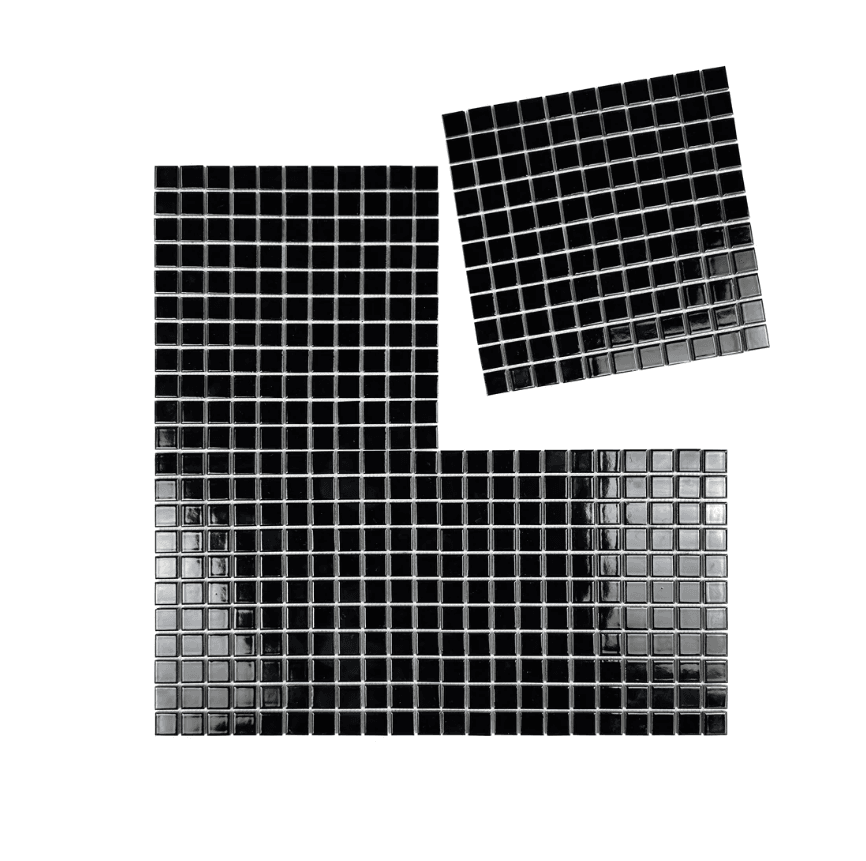
Black Solid Glazed Pool Mosaic
MCS630870
Glazed Pool Mosaic
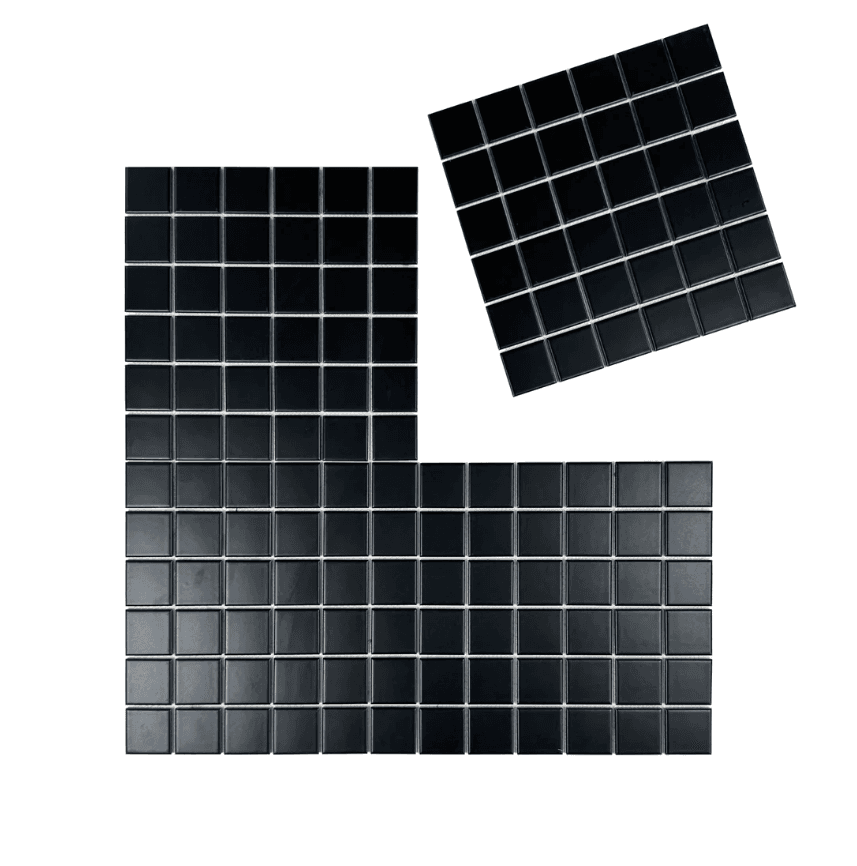
Black Solid Glazed Pool Mosaic
MCS650770
Glazed Pool Mosaic
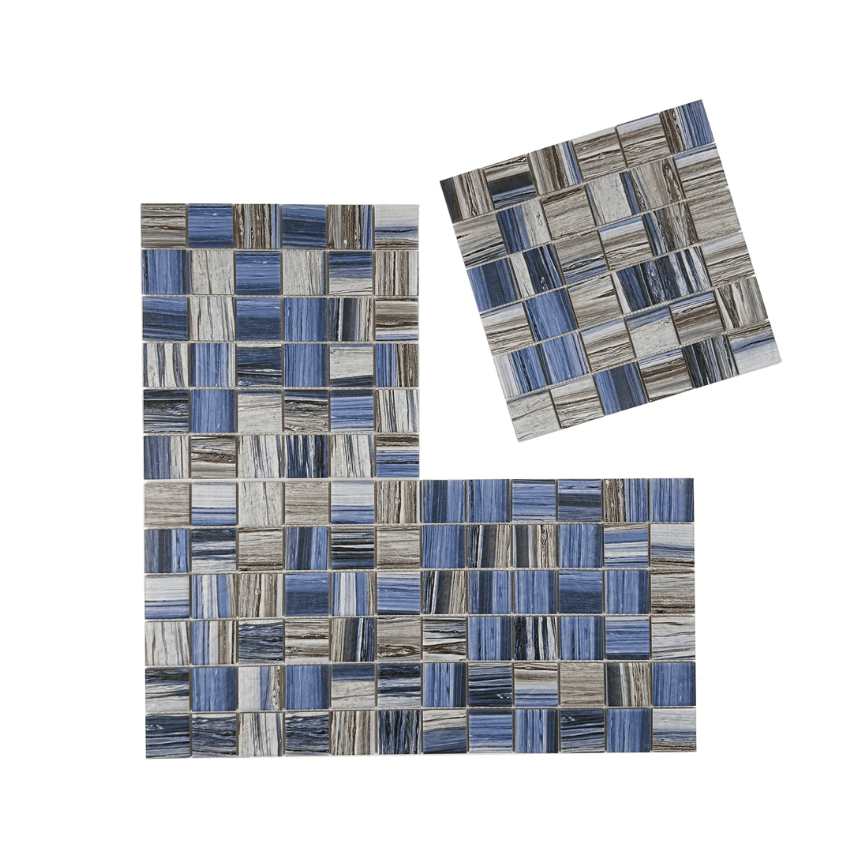
Blue Sukabumi Mosaic
MCP650305
Sukabumi Mosaic
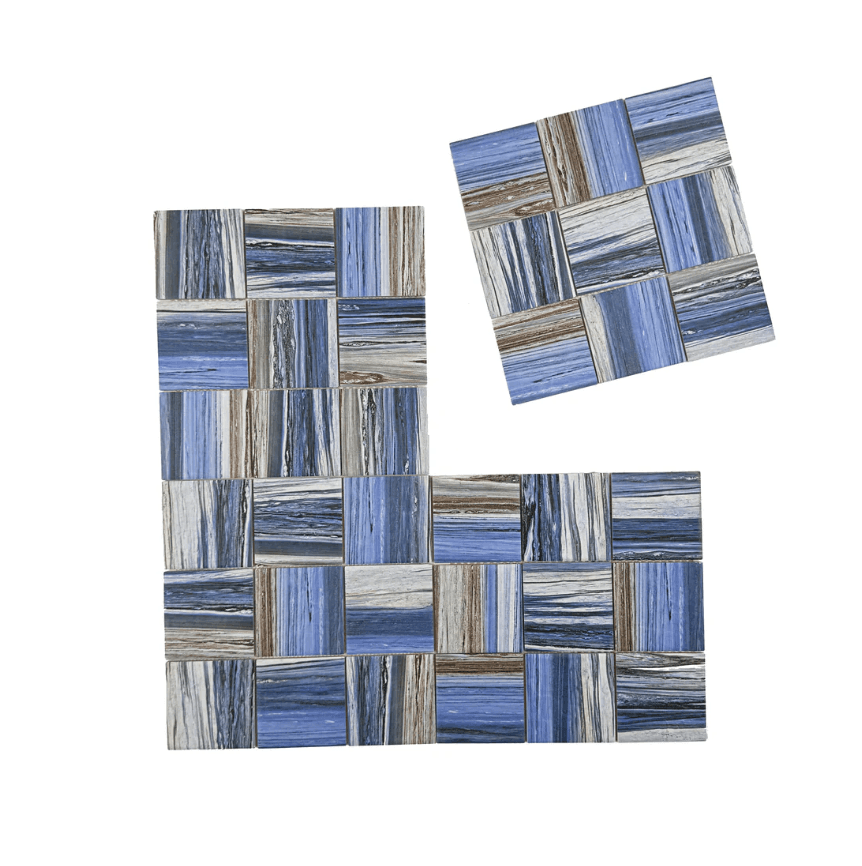
Blue Sukabumi Mosaic
MCP690605
Sukabumi Mosaic
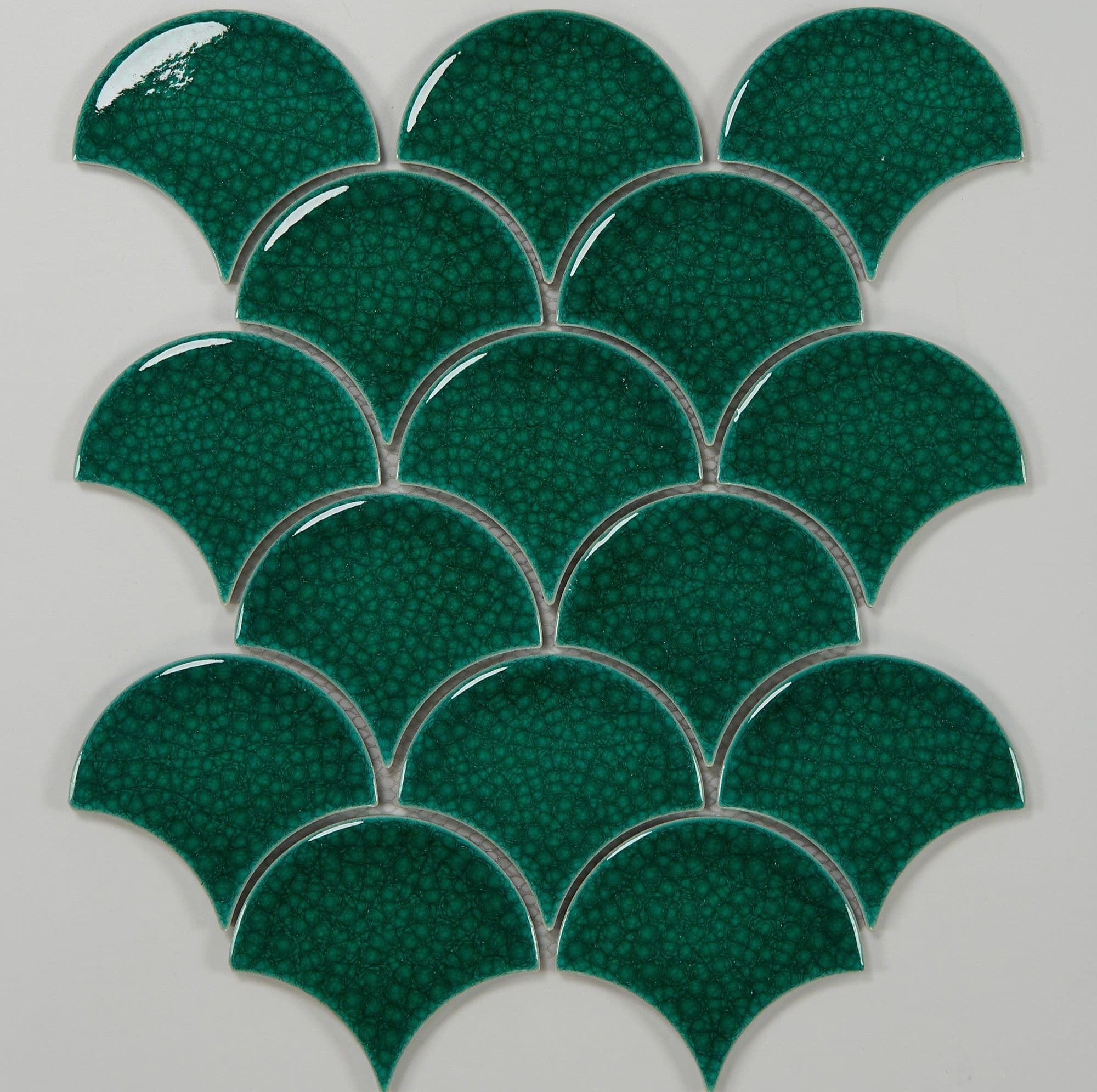
Dark Green Fish Scale Tile
MCS650857
Fish Scale Tiles
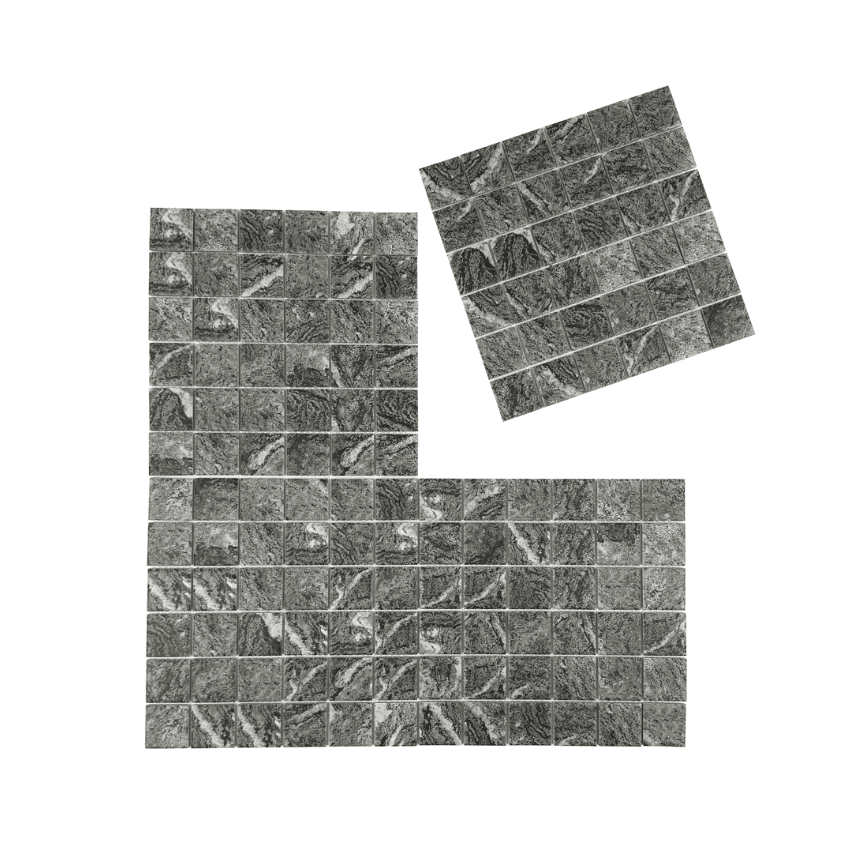
Dark Grey Sukabumi Mosaic
MCP650303
Sukabumi Mosaic
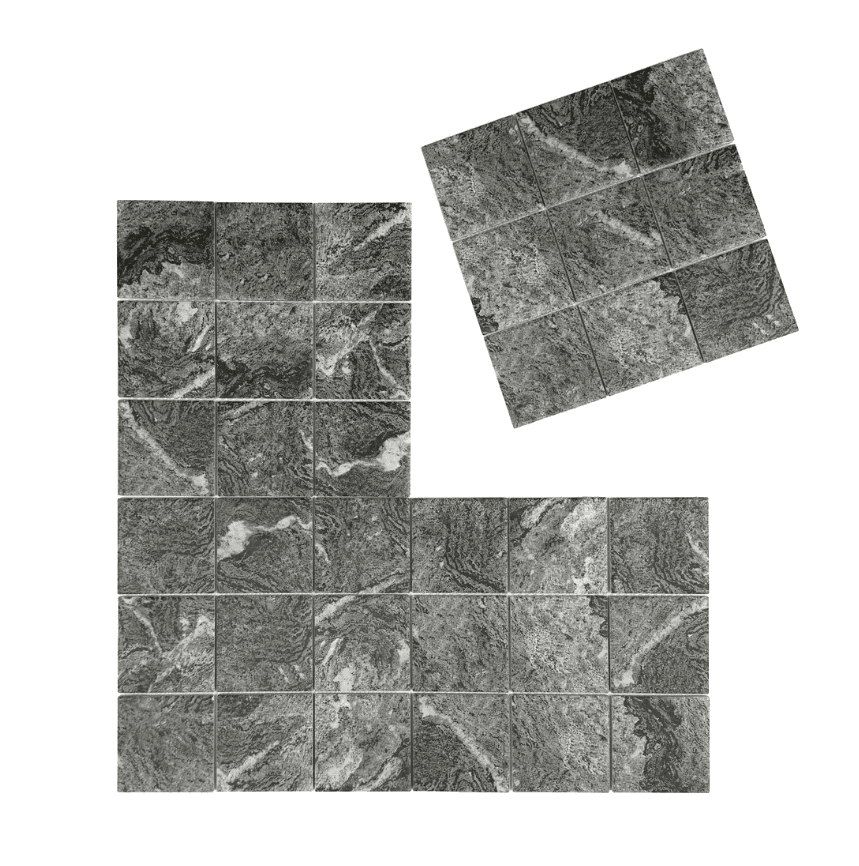
Dark Grey Sukabumi Mosaic
MCP690603
Sukabumi Mosaic
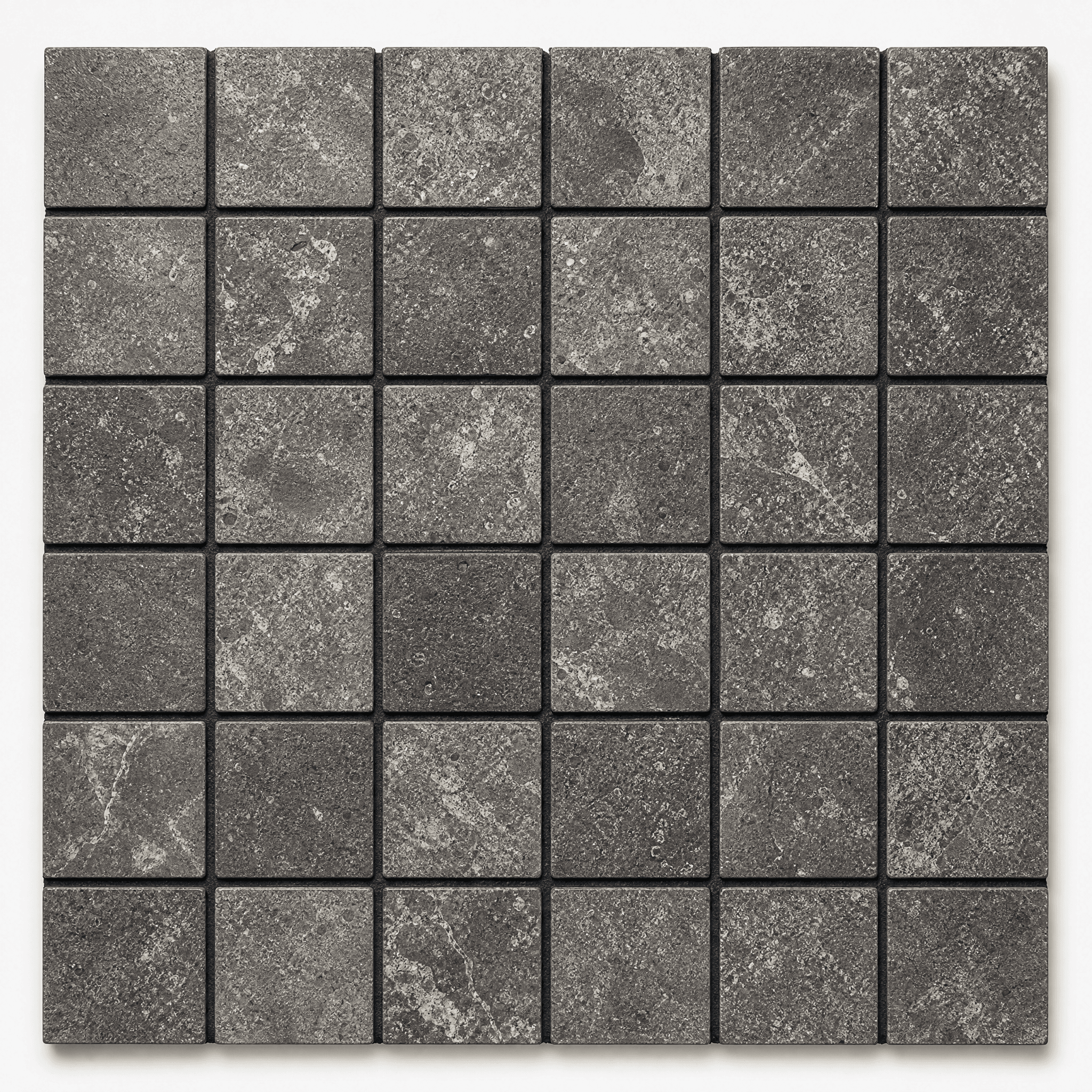
Deep Black Inkjet Sukabumi Mosaic
MCP651600
Sukabumi Mosaic
Pool Tiles by Colour & Finish
Most pool projects start from a colour brief. Jump straight to the shortlist that fits yours.
Black Pool Tiles
Dramatic dark waterlines, infinity pools, contemporary residential.
Browse black pool tilesGrey Mosaic Pool Tiles
Natural stone look. Disguises water-line tide marks better than blue or white.
Browse grey pool tilesWhite Pool Tiles
Clean Mediterranean aesthetic, maximises light reflection in shaded pools.
Browse white pool tilesLight Blue Swimming Pool Tiles
The classic family-pool look. Crystal-blue water finish, the Malaysian residential standard.
Browse blue pool tilesAnti-Slip Pool Tiles
R10 and R11 slip-rated mosaics for pool decks, steps, and wet surrounds. Sukabumi and Olympic ranges.
Browse anti-slip mosaicsNeed help picking? WhatsApp +60 11-7252 5771 for a colour-matched shortlist with samples.
Pool Tile Guides
Practical advice for choosing, installing, and maintaining pool tiles.
Porcelain vs Ceramic Pool Tiles: What's the Difference and Which Should You Choose?
Porcelain and ceramic tiles look similar but perform very differently in pools. Water absorption, durability, and cost comparison for Malaysian pool projects.
Read morePool Tile Care in Malaysia's Tropical Climate: Maintenance Tips That Actually Work
Keep your pool tiles looking new in Malaysia's tropical heat. Weekly maintenance schedule, algae prevention, monsoon care, and when to call a professional.
Read moreAnti-Slip Pool Tiles: Safety Ratings and Best Options in Malaysia
Choose the right anti-slip pool tiles for Malaysian conditions. R-ratings explained, pool deck vs submerged requirements, best brands, and cost comparison.
Read moreFrequently Asked Questions
Common questions about pool tiles for the Malaysian market.
What type of tiles are best for swimming pools?
The best pool tile depends on your project. For luxury resort pools, Sukabumi natural stone delivers an unmatched look. For most residential pools in Malaysia, glazed ceramic or porcelain tiles offer the best balance of durability, variety, and value. Glass mosaic tiles work well for accents and waterline borders. All pool tiles should have low water absorption (under 3%) and adequate slip resistance (R10 or higher).
Are mosaic tiles good for swimming pools?
Yes. Mosaic tiles are one of the most popular choices for swimming pools because they conform well to curved surfaces, steps, and irregular shapes. Their small size means fewer cuts and less waste during installation. Mosycle carries pool-grade mosaic tiles in ceramic, porcelain, glass, and natural stone — all tested for water absorption and chemical resistance.
How do I choose pool tiles for the Malaysian climate?
Malaysia's tropical climate means your pool tiles face UV exposure, heavy rain, and warm water year-round. Choose tiles with water absorption under 3% to prevent cracking from moisture cycles. Porcelain (under 0.5%) performs best for longevity. For outdoor pool decks and coping, prioritise slip resistance rated R11 or higher. Lighter colours stay cooler underfoot in direct sun.
What is the difference between Sukabumi and glazed pool tiles?
Sukabumi is a natural stone quarried in Indonesia, prized for its green colour that intensifies underwater. It requires periodic sealing and costs more than ceramic alternatives. Glazed pool tiles are manufactured ceramic or porcelain with a fired glaze coating — they come in many colours, need less maintenance, and cost less. Sukabumi suits luxury and resort projects. Glazed tiles suit most residential and commercial pools.
Do pool tiles need special installation?
Yes. Pool tiles require waterproof adhesive (not standard tile cement), proper substrate preparation, and epoxy or chemical-resistant grout. The pool shell must be fully cured and waterproofed before tiling begins. We recommend working with an experienced pool tiling contractor. Mosycle can connect you with certified installers in your region.
Does Mosycle supply pool tiles across all of Malaysia?
Yes. Mosycle works with over 200 trade partners across 15 regions in Malaysia, from Johor to Penang. We supply pool tiles to contractors, pool builders, and tile retailers nationwide. Contact us for trade pricing and availability in your area.
What's the difference between waterline tiling and full-pool tiling?
Waterline tiling covers just the top 150mm of the pool wall where calcium scaling and scum line build up. It's the most common approach for concrete pools with a plaster or pebble finish below. Full-pool tiling covers every surface, floor to waterline. It costs more (roughly 3-4x the material) but lasts longer, looks sharper, and makes cleaning easier since tile resists algae better than plaster. Most resort and luxury residential pools in Malaysia go full-tile. Standard residential pools often start with waterline and upgrade later.
Can I use the same tile for the pool deck and inside the pool?
Usually not. Inside the pool, tiles need low water absorption (under 3%) and chemical resistance for constant immersion in chlorinated or salt water. Pool deck tiles need higher slip resistance because people walk on them barefoot when wet. Pool interiors are typically rated R10 minimum, but pool decks and coping need R11 or R12 to be safe. Some porcelain ranges, like our Olympic series, work for both. But always check the specific slip rating before using the same tile inside and out.
How long do pool tiles last in Malaysia's climate?
Properly installed pool tiles last 15-25 years in Malaysia's tropical climate. Porcelain and glass mosaic tend to last the longest because they're non-porous and handle UV, heat cycling, and pool chemicals well. Natural stone like Sukabumi lasts just as long but needs resealing every 3-5 years. The weak point is usually the grout, not the tile. Epoxy grout holds up better than cementitious grout in pools, especially in salt water systems. The biggest risk is poor installation: if the thinset coverage is below 95% or the pool shell wasn't properly waterproofed, tiles can debond regardless of quality.
My pool contractor says ceramic tile is fine for a pool. Is it?
It depends on where in the pool. For waterline borders and decorative accents above the water line, glazed ceramic with absorption under 3% can work fine. For full immersion below the waterline, porcelain (under 0.5% absorption) or glass mosaic is the safer choice. Ceramic has a more porous body than porcelain, which means it absorbs more water over time. In Malaysia's warm climate with constant UV and heat cycling, that moisture in the tile body expands and contracts, eventually cracking the glaze. We've seen ceramic waterlines fail in as little as 18 months on outdoor pools with no shade cover.
Pool Tiles by Region
We deliver across Malaysia. Find pool tile info for your area.
Ready to order pool tiles?
Get trade pricing for your next pool project. We deliver across Malaysia.